

Why the First In-Person Meeting Needs More Planning Than Most People Assume
Meeting someone from a dating app is genuinely exciting, and that excitement is part of the reason safety steps get skipped. When the chat has been good and the anticipation is high, it is easy to rationalize that you already know this person well enough to skip precautions. That feeling is real, but the information it is based on is still limited. Online conversations reveal a lot about how someone presents themselves. They reveal less about how someone behaves in person, under pressure, or when things do not go as planned.
Basic safety planning does not mean you are paranoid or expecting the worst. It means you are looking out for yourself the way any thoughtful adult should when meeting a stranger, regardless of how warm the lead-up was. Most first dates go fine. The ones that do not tend to go wrong in predictable ways that preparation can help you navigate or avoid entirely.
Choosing the Right Location for Your First Meeting
The most important single decision you make before a first date is where it happens. A public, populated location during daylight hours is the safest and usually the most comfortable choice. A busy café, a popular restaurant, a weekend farmers market, or a central park are all strong options. You want enough foot traffic that you are never isolated, and you want a place where you can leave easily if you need to.
Avoid private locations — someone's home, a secluded trail, or an invite to a private event — for a first meeting with someone you have not yet verified in person. This is true even if the person seems trustworthy and the invite sounds reasonable. The precaution is not about them specifically. It is about preserving your ability to make a clear-headed decision about whether to be alone with someone after you have actually met them, not before.
Safety Steps to Take Before You Leave
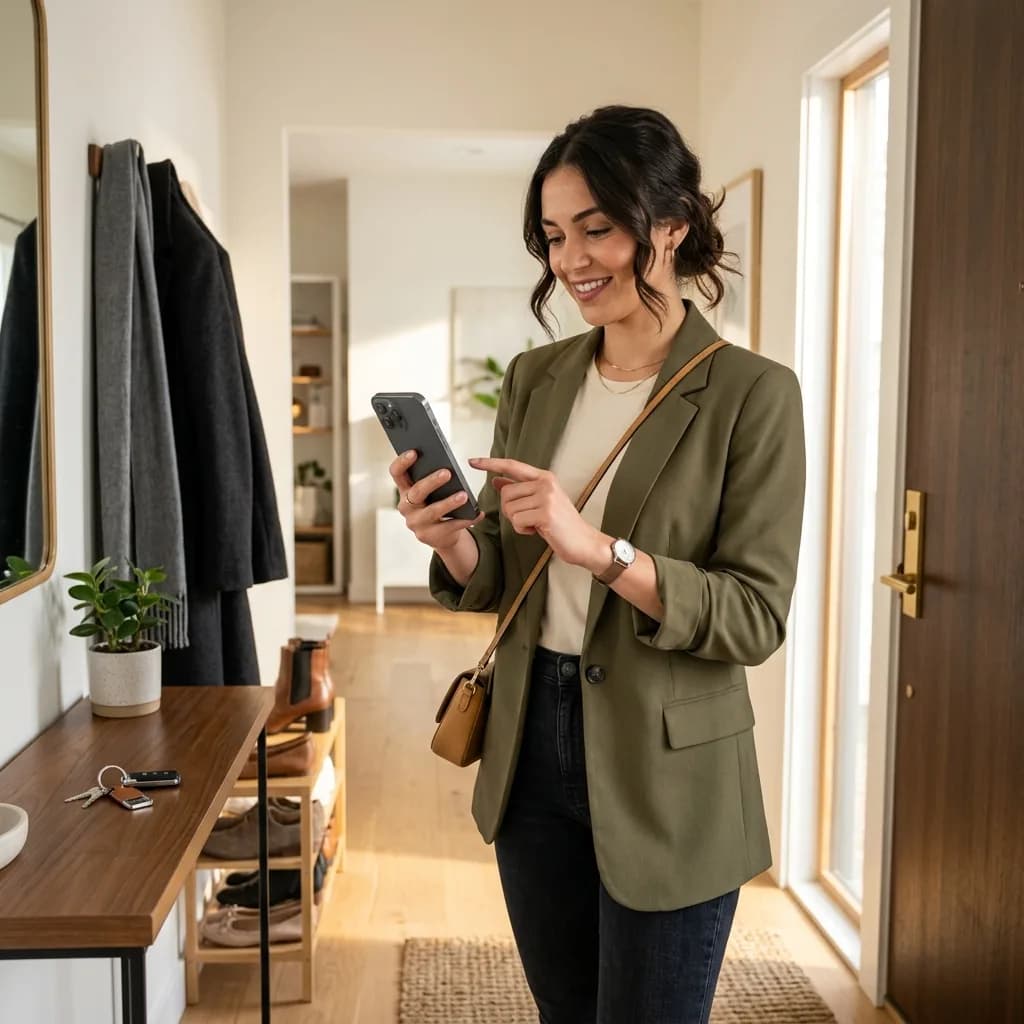
Before your first date, tell someone you trust where you are going, who you are meeting, and when you expect to be back. Share the person's first name, which app you met on, and the location. This takes two minutes and creates an accountability layer that is genuinely useful.
Use your own transportation to get there and back. Taking a rideshare or driving yourself means you are not dependent on the other person's timeline or willingness to take you home. Bring your phone charged and have a bail-out plan if you need one — a friend who can call you with a fake emergency, or just the confidence to say you have somewhere to be. Keep your drink in your sight at all times and order it yourself rather than accepting one that was ordered for you without your input.
What to Pay Attention to When You First Meet
The first few minutes of a first date tell you a lot. Does the person seem like a reasonable match for the energy you got from the online conversation? Do they seem comfortable and genuinely interested, or are they immediately trying to steer the situation in a direction you did not agree to? Are they respectful of the space between you, or are they physically pushy before any rapport has been built?
Pay attention to how they talk about other people — exes, friends, service staff. Contempt, entitlement, or dismissiveness in those early moments often shows you something real about how they treat people in general. Most of these signals are intuitive. You will feel them before you can name them. The key is not to override that feeling in the moment because you are being polite or because the conversation was good online.
Warning Signs to Take Seriously During the Date
Some red flags are obvious. Others are easier to rationalize in the moment, especially if the overall vibe has been warm. Watch for: someone who tries to change the location after you arrive, someone who becomes pushy or sulky when you decline something, someone whose story shifts noticeably from what they shared online, and someone who treats your boundaries as a negotiating position rather than a decision.
If something feels off, you are allowed to leave. You do not need to explain, justify, or apologize. 'I need to head out' is a complete sentence. Being polite is worth something, but it is worth considerably less than your safety and comfort. If you feel threatened or genuinely unsafe at any point, go to a public space, ask staff for help, or call someone directly.
After the Date: What Your Instincts Are Trying to Tell You
After a first meeting, take a moment to notice how you actually feel — not how you think you should feel, but what you are actually experiencing. Did the person make you feel comfortable and respected, or did you feel slightly on edge and are now explaining it away? Did the conversation feel mutual, or did you do most of the work?
A good first date does not need to be perfect. Nerves, awkward silences, and small misreads are normal. The baseline question is whether you felt safe and treated well. If yes, the next step is straightforward. If something lingers that you cannot quite name, give it some time before deciding anything. Your instincts are not always literal, but they are usually picking up on something real.
Related Guides
Dating App Safety and Scams
Explore related guides and tools to help you navigate this topic.