

Why Timing Matters More Than the Perfect Line
Most people overthink what to say when they ask someone out. They search for the ideal phrase, the smoothest transition, the line that makes it feel effortless. But the phrasing matters far less than the timing. Ask too early and it feels rushed. Ask too late and the conversation fades into polite small talk that never goes anywhere.
The sweet spot usually happens after three to seven solid exchanges — not messages, but actual exchanges where both people are contributing. By that point, you have a rough sense of personality. You know if the conversation has energy. And the other person has had enough interaction to feel comfortable with the idea of meeting.
Waiting for a perfect opening is often just procrastination in disguise. The conversation will rarely hand you a cinematic moment where asking feels completely natural. You create the moment by reading the energy correctly and making the suggestion before things go stale. People who match with you already expressed interest. The ask is not a risk — it is the logical next step.
How to Read the Signals That Someone Is Ready
Not every conversation is ready for the ask at the same point. Some people warm up quickly. Others need more time. Reading the signals correctly keeps you from asking too soon or missing the window entirely.
Positive signals include: they respond quickly and with detail, they ask you questions back, they use exclamation points or emojis naturally, they reference something you said earlier, they mention places or activities near them, or they compliment something about you beyond your photos.
Neutral signals include: they respond but with short answers, they do not ask questions back yet, they seem engaged but cautious. In this case, keep the conversation going with one or two more exchanges before suggesting a meetup.
Negative signals include: delayed responses with minimal effort, conversations that feel one-sided, answers that do not invite follow-up. These do not necessarily mean disinterest — they might be busy or bad at texting — but they do mean now is not the right moment to ask.
The strongest signal is momentum. When the conversation feels like it is accelerating — responses are getting longer, topics are expanding, humor is landing — that is usually the right moment. Momentum is fragile on dating apps. Capture it before it cools.
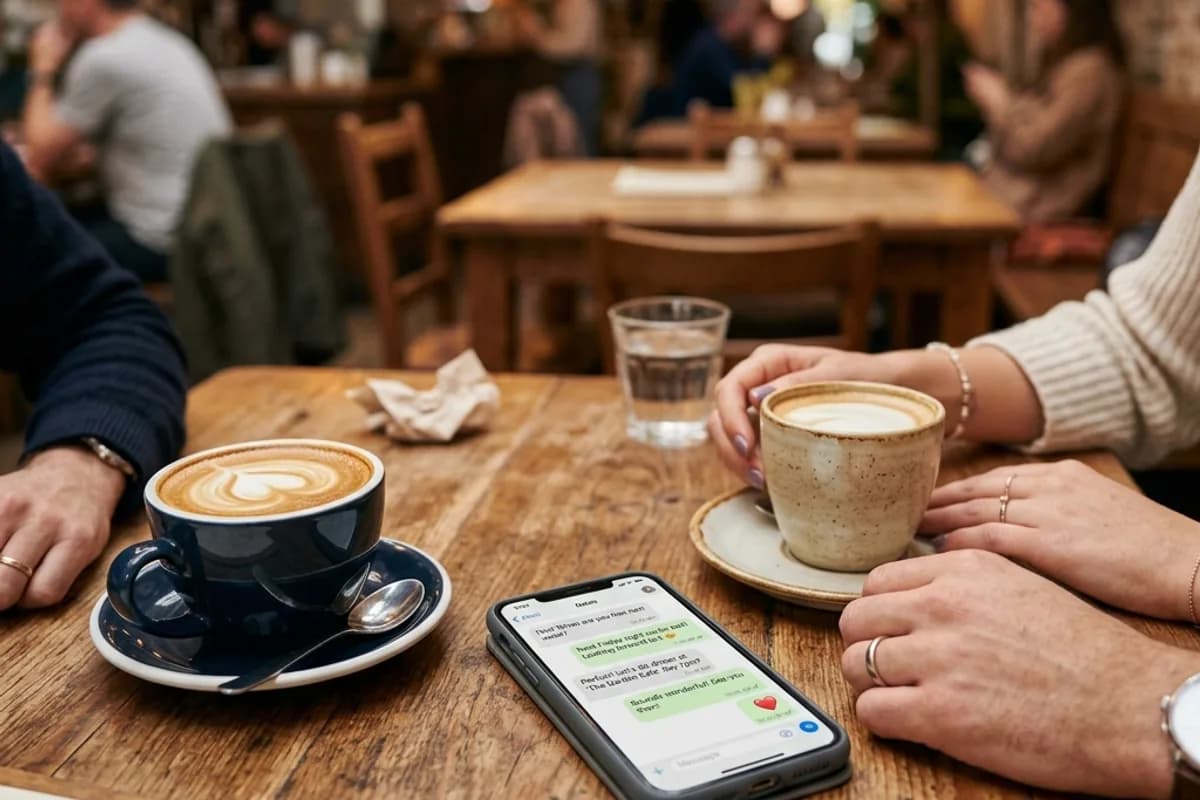
Five Ways to Ask That Feel Low-Pressure
The goal is to make meeting feel like a natural continuation of the conversation rather than a formal proposal. Here are five approaches that work.
1. Connect it to something you have already discussed. If you both talked about coffee: Okay, I need to test this coffee opinion of yours in person. Are you free this weekend for a coffee? This works because it ties the ask to a shared interest you already explored.
2. Suggest a specific activity, not just hanging out. Instead of we should meet up sometime, try: There is a really good taco place near the park on Fifth. Want to check it out Thursday evening? Specific plans are easier to say yes to because they eliminate decision fatigue.
3. Give them an easy out. This sounds small but matters: I would love to grab a drink sometime this week if you are up for it — no pressure either way. The no pressure line is not weakness. It is confidence. It shows you can handle any answer, which actually makes the yes more likely.
4. Use humor to bridge the transition. Something like: I feel like we have established that we both have good taste — want to prove it over dinner? Light, warm, and direct without being heavy.
5. Let them pick the format. I would love to meet up. Coffee, drinks, or a walk — whatever works for you. This respects their comfort level and gives them control over the setting, which is especially important for people who are safety-conscious about meeting someone new.
The common thread across all five: specificity, warmth, and zero pressure.
What to Do If They Say Not Yet
A soft no is not a rejection. Sometimes people are genuinely interested but not ready to meet yet. Maybe they want a few more conversations first. Maybe their schedule is packed. Maybe they are cautious about meeting people from apps, which is completely reasonable.
The best response to not yet is calm and unbothered. Something like: Totally get it — no rush. Let me know when feels right and we can figure something out. Then continue the conversation naturally without making it weird.
What you should not do: ask again immediately, pressure them to explain why, or take it personally and go cold. All three reactions signal insecurity, and insecurity kills attraction faster than almost anything else.
If someone consistently avoids meeting after multiple conversations over several weeks, that is a different situation. At that point, it is reasonable to check in directly: I have really enjoyed talking — are you open to meeting at some point, or is this more of a chatting situation? That is honest, not aggressive. And the answer tells you whether to keep investing time.
Not every match will turn into a date. That is normal. The skill is not converting every conversation into a meetup. It is recognizing which ones have real potential and acting on them at the right moment.
After They Say Yes — Setting Up a Good First Meeting
Once they agree to meet, the next few messages matter more than you think. This is where logistics either solidify the plan or let it dissolve.
Confirm the details within the same conversation. Pin down the day, time, and place before the exchange ends. Vague plans like let us do something next week almost never materialize. Specific plans do.
Choose a public, comfortable location. A coffee shop, a casual restaurant, a park with foot traffic — somewhere that feels safe and low-commitment. Avoid overly ambitious first dates like concerts or all-day activities. The pressure should be low enough that either person can leave after an hour without it feeling awkward.
Send a brief confirmation message the day before or morning of. Something like: Still on for tonight? Looking forward to it. This is not clingy. It is considerate. It prevents the other person from wondering whether the plan is still happening.
Keep expectations realistic. A first meeting from a dating app is not a date in the traditional sense. It is a vibe check. You are both deciding whether the in-person energy matches the text energy. That is it. If it does, great — plan a second date. If it does not, that is useful information too.
The people who succeed with dating apps are not the ones who write the best messages. They are the ones who move conversations toward real life consistently and gracefully. The ask is just a sentence. What matters is the intention behind it — genuine curiosity about whether this person is worth knowing better.